
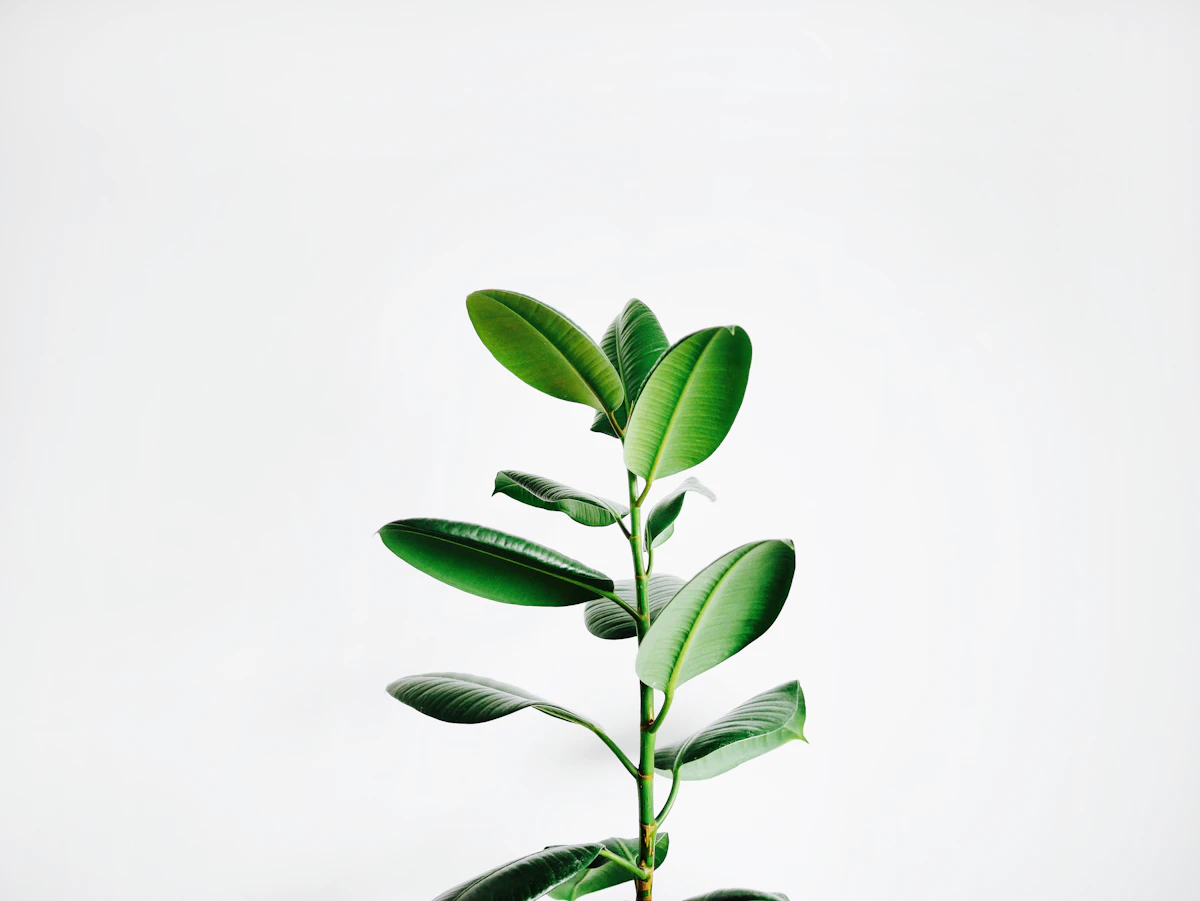
Plants are not merely decorative objects; they are living, breathing companions that clean our air and soothe our eyes with natural, soft-focus green textures.
When styling with greenery, think of plants as natural sculptures. A tall, slender olive tree potted in an unglazed terracotta urn introduces architectural interest and Mediterranean warmth to any neutral corner.
Caring for plants is a daily lesson in patience and awareness. Observing a new leaf unfurl or understanding when the soil requires moisture encourages us to slow down and align our rhythms with nature.
In the quiet corners of our daily lives, there exists an opportunity to build small sanctuaries of attention. Modern routines are designed to pull our awareness outward, scattering our thoughts across endless notifications, scrolling feeds, and competitive lists. When we actively decide to reclaim a tiny sliver of our day—even if it is just fifteen minutes in the morning—we begin to heal our over-stimulated nervous systems. Mindfulness is not a complex philosophy that requires retreats or specialized gear; it is simply the choice to bring your full, calm attention to the immediate texture of your present moment. It is the act of sitting quietly with a warm ceramic mug, watching the steam twist and rise into the morning light, and feeling the solid ground beneath your feet before the world demands your energy.
Our physical surroundings exert a quiet but powerful influence on our mental landscape. A room cluttered with half-finished tasks, unused gadgets, and visually loud objects acts as a constant, low-grade distraction for our brains, reminding us of uncompleted cycles and unresolved desires. Cozy minimalism is not about living in a cold, sterile white box; it is about choosing to frame your life with objects of genuine utility, comfort, and quiet beauty. When you swap a harsh overhead fluorescent light for the amber, flickering warmth of a hand-poured soy candle, or place a raw clay vase on an empty wooden table, you alter the frequency of the room. You invite a slower, more deliberate breath, and you create a physical context where slow reflection and authentic rest can naturally occur.
Consider the profound therapeutic release of putting ink to paper. In our digital workflows, we tap on glass and type on plastic keys, creating infinite streams of editable, temporary data that carry no physical weight. Writing by hand, however, is a deeply grounding kinetic ritual. The resistance of the paper, the steady flow of ink, and the unique shape of our handwritten letters connect us to our thoughts in a tactile, undeniable way. A brain dump is an act of trust—a raw, unfiltered unloading of all the mental noise, anxieties, and random obligations that we carry in our heads. Once it is physically captured on the page, the brain can finally let go of its heavy keeping role, allowing us to view our challenges with balanced perspective and deep, restorative clarity.
Let us examine the architecture of scent and how it shapes our domestic energy. For thousands of years, humans have used botanical resins, dried herbs, and cold-pressed plant oils to cleanse their living spaces and mark transitions of time. Our olfactory system is directly wired into our limbic brain—the seat of memory and emotion—which is why the scent of fresh rosemary or grounding vetiver can immediately alter our physiological state. By avoiding synthetic aerosol fragrances that irritate our respiratory tracts and replacing them with pure, steam-distilled essential oils, we honor our sensory health. A gentle mist of lavender on clean linen before sleep, or the rich, woody notes of cedarwood diffusing in a home office, acts as a subtle, subconscious anchor that guides our minds from active production into deep, safe relaxation.
Ultimately, the art of slow living is a quiet rebellion against the glorification of busyness. We have been taught to measure our worth by our productivity, our schedules, and our constant connectivity. But true vitality is found in the pauses—the empty spaces between our tasks where we allow our minds to wander without a destination. By caring for a simple green houseplant, observing its quiet, patient growth, or spent an hour watching the light shift across our living room walls, we align ourselves with the slow, natural rhythms of nature. We realize that we do not need to constantly produce to be complete; we simply need to be present to the wonder of being alive.
As we reflect deeply on the themes discussed in “Living Sculpture: Curating Houseplants for Architectural Interest and Calm”, we are reminded that slow living is not about doing everything at a crawl, but about doing everything at the correct tempo. It is about understanding that the quality of our attention defines the quality of our lives. When we choose to read with balanced depth, appreciate quiet beauty, and seek authentic perspective, we build a thoughtful sanctuary within ourselves. Whether through the garments we choose to wear, the daily routines we establish, the paths we travel, or the self-care rituals we practice, we can always choose to return to a place of centered clarity and wonder. Let this be your invitation to pause, breathe, and appreciate the magnificent simplicity of the present moment.

Aria Vance
Aria is a vintage curator and thrifting expert with over a decade of experience sourcing designer silhouettes on a budget. She believes every piece of pre-loved clothing deserves a second story.