
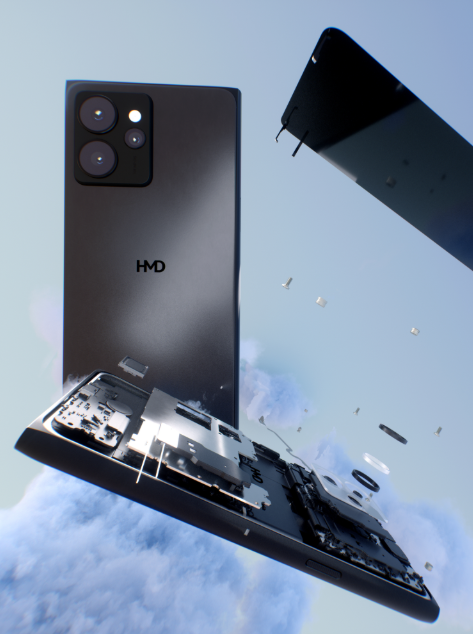
Modern phones are often judged by how many features they contain. HMD takes a different approach by asking how technology can serve people in practical and meaningful ways.
HMD stands for Human Mobile Devices. The company produces HMD smartphones, feature phones, accessories and Nokia-brand mobile devices under licence. Its portfolio covers affordable smartphones for connected daily life and durable feature phones designed for calls, messages, music and straightforward communication.
Who Is HMD?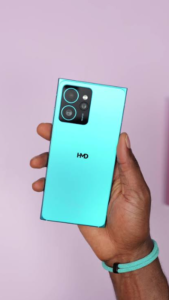
HMD Global Oy is a Finnish mobile-device company headquartered in Espoo, Finland. It is a licensee of the Nokia brand for phones, while Nokia remains a registered trademark of Nokia Corporation.
The company now sells devices under both the HMD and Nokia names. This allows it to continue offering familiar Nokia-branded phones while developing a separate identity around Human Mobile Devices.
HMD describes its purpose as supporting human connections through useful innovation. Its products are intended to make mobile technology reliable, accessible and relevant to everyday needs.
Smartphones for Connected Life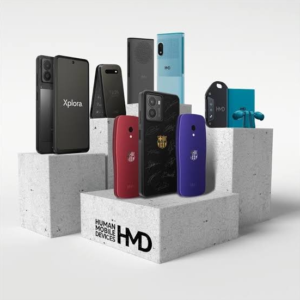
HMD smartphones are designed for customers who need access to modern communication, apps, cameras, internet services and entertainment.
A smartphone can support many daily activities, including:
- Messaging and video calls
- Social media
- Mobile banking
- Navigation
- Photography
- Online learning
- Business communication
- Streaming and entertainment
When choosing an HMD smartphone, buyers should compare the processor, memory, storage, camera system, battery capacity, display and software-support policy.
The most expensive model is not automatically the best choice. A customer who mainly uses messaging, browsing and calls may have different needs from someone who records video, plays games or runs several demanding applications.
Why Feature Phones Still Matter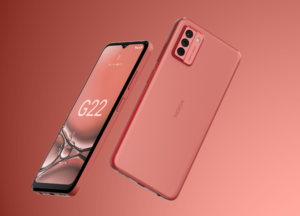
Smartphones dominate the mobile market, but feature phones continue to serve important purposes.
They are often selected by people who want:
- A simple calling and texting device
- Long standby time
- Physical buttons
- A secondary or backup phone
- Fewer digital distractions
- A compact and lightweight design
- Basic music and radio features
- A device for elderly or first-time users
Feature phones can also be practical where access to electricity or mobile data is limited. Their simpler hardware usually requires less power than a large touchscreen smartphone.
HMD maintains a dedicated feature-phone range alongside its smartphones.
HMD 150 Music: A Phone Designed Around Sound
The HMD 150 Music combines the classic bar-phone format with features intended for music and everyday communication.
Its design focuses on straightforward controls, long standby time and a large rear speaker. Dedicated playback and volume buttons allow users to control music without navigating a complex touchscreen interface.
According to HMD’s official specifications, the phone includes a 2.4-inch QVGA display and weighs approximately 83 grams. It is available in Dark Grey and Light Blue.
A Large Speaker and Dedicated Controls
The HMD 150 Music includes a 2-watt rear speaker designed to play music aloud. This can be useful when listening with friends or enjoying audio without headphones.
The phone supports:
- An MP3 player
- Wired and wireless FM radio
- Dedicated music-control buttons
- A 3.5 mm headphone connection
- Bluetooth 5.0
An optional MicroSD card is required for music storage and selected features. The phone supports cards of up to 32 GB, although the card is sold separately.
These features position the device as a practical choice for customers who want a simple phone with stronger audio capabilities.
Long Standby Time
Battery performance is an important advantage of many feature phones.
The HMD 150 Music uses a removable 2,500 mAh battery. HMD states that the device can provide up to one month of standby time, although actual performance will depend on network conditions, settings and usage.
A removable battery can also be useful because it may be replaced after its capacity declines. Like all rechargeable batteries, it has a limited number of charging cycles and will lose capacity gradually over time.
The phone charges through USB Type-C, providing a more current and widely used connection than older charging standards.
Camera and Storage
The HMD 150 Music includes a basic QVGA rear camera with an LED flash.
This camera is intended for casual snapshots rather than advanced mobile photography. Customers who need detailed photographs, high-resolution video or sophisticated editing tools should consider a smartphone instead.
The device has limited built-in memory, so a MicroSD card is important for users planning to save music and photographs.
Built for Everyday Handling
HMD presents durability as one of the phone’s central qualities.
The HMD 150 Music has a robust body with reinforced corners. The Pakistan specifications list an IP52 rating outside the European Union, indicating limited protection against dust and dripping water under defined test conditions.
An IP rating does not make a device waterproof. Users should still protect the phone from immersion, heavy rain and prolonged exposure to moisture.
A Possible Option for Digital Downtime
Some people choose a feature phone because they want fewer interruptions from apps, notifications and social media.
A device such as the HMD 150 Music can maintain basic communication while reducing access to the attention-demanding features of a smartphone. It may therefore be useful as:
- A weekend phone
- A travel backup
- An emergency device
- A music-focused secondary phone
- A simple phone for calls and texts
- Part of a personal digital-detox routine
However, it operates on 2G networks. Buyers should confirm that compatible 2G service remains available in their location and through their chosen mobile operator.
The Better Phone Project
HMD’s wider brand message considers how mobile devices affect people, particularly younger users and families.
The company’s Better Phone Project explores the relationship between phones, digital habits and wellbeing. This fits its broader idea that technology should support people rather than control their attention.
A more human-centred phone does not always require removing modern technology. It can also involve making features easier to understand, improving repair options and giving customers more control over how they use their devices.
Sustainability and Longer Device Use
HMD states that sustainability is part of its approach to mobile-device design and operations.
Extending the useful life of a phone can reduce the need for frequent replacement. Factors that support longer use may include durable construction, removable or replaceable parts, repair services and continuing software support where applicable.
Customers interested in sustainability should examine the environmental profile of the specific device rather than assuming that every model has the same materials, repairability or support period.
HMD publishes information about sustainability, privacy, security and compliance on its official website.
Support After Purchase
A mobile device remains useful only when customers can obtain instructions, updates and repairs.
HMD’s support section includes:
- Frequently asked questions
- User guides
- Software-update information
- Security updates
- Service and repair resources
- IMEI-related support
Customers should use the regional support page because warranty conditions, available services and product models can differ by country.
HMD and Nokia Phones
HMD produces devices under its own name and remains a licensee of the Nokia brand for phones.
Customers should therefore distinguish among:
- HMD-branded smartphones
- HMD-branded feature phones
- Nokia-branded phones made and marketed by HMD
The name on the product page should be checked carefully because specifications, software policies and available support vary by individual model.
Choosing Between a Smartphone and Feature Phone
A smartphone is generally the better choice for customers who need apps, mobile data, navigation, detailed photography and online services.
A feature phone may be more suitable for someone who prioritises calls, text messages, battery endurance, physical keys and simplicity.
The HMD 150 Music adds audio-focused features to the traditional feature-phone experience. Its large speaker, FM radio, MP3 player, removable battery and dedicated controls make it especially relevant for people who want basic communication and music in one compact device.
Final Thoughts
HMD’s product strategy recognises that people do not all need the same kind of phone.
Some users want an affordable smartphone capable of handling modern digital tasks. Others prefer a dependable feature phone that keeps communication simple and reduces distractions.
The HMD 150 Music reflects this second approach. It combines classic phone controls with music playback, radio, a large speaker, a basic camera and long standby time.
By offering both smartphones and feature phones, HMD gives customers the freedom to choose technology according to their actual needs rather than assuming that more complexity is always better.

Aria Vance
Aria is a vintage curator and thrifting expert with over a decade of experience sourcing designer silhouettes on a budget. She believes every piece of pre-loved clothing deserves a second story.